In modern steel production, fast and safe material handling is a decisive factor for improving overall production efficiency. Traditional material lifting methods are often plagued by low efficiency and significant safety risks. Nevertheless, with the introduction of electro‑permanent magnetic lifter technology, the lifting and handling efficiency in steel plants has been remarkably enhanced.
Electro‑permanent magnetic lifters transport metallic materials by powerful electromagnetic force. The electromagnetic force of suction cups can be precisely controlled via a remote‑control system to realize rapid adsorption or release. Compared with conventional lifting methods that require multi‑step operations, electro‑permanent magnetic lifters greatly cut down working time and procedures, thus effectively boosting the overall lifting‑handling efficiency.
The advantages of such lifters lie not only in operating speed but also in their capacity for accurate steel positioning and damage reduction. Electro‑permanent magnetic lifters place suction cups exactly at required positions, eliminating handling accidents and steel damage induced by improper manual operations. Such precision also avoids unnecessary troubles for subsequent production processes, raises the one‑pass acceptance rate of steel products and further accelerates production workflows.
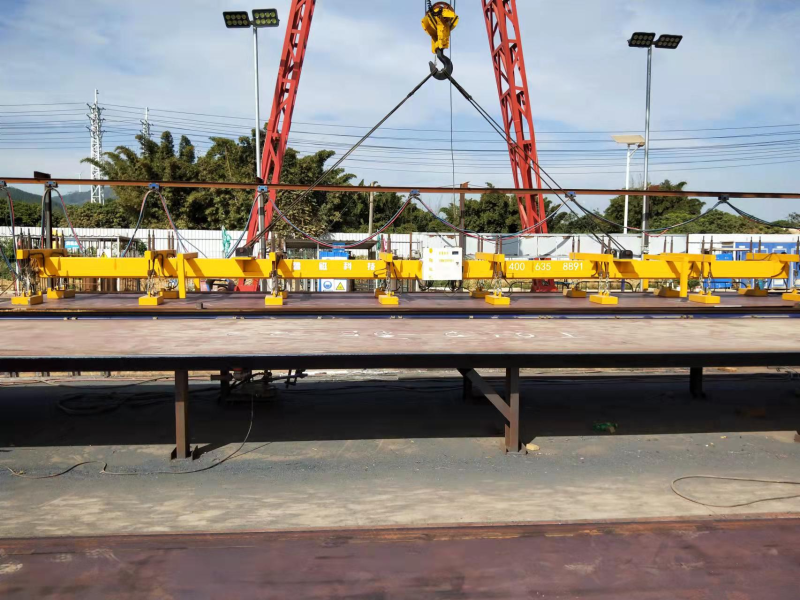
In terms of energy conservation, electro‑permanent magnetic lifters consume far less electric power while maintaining strong adsorption than other types of electromagnetic lifters, helping enterprises cut energy costs. Meanwhile, the optimized design of electro‑permanent magnetic lifters ensures easy operation, lowers reliance on operators’ skills and reduces the probability of human errors.
To sum up, the adoption of electro‑permanent magnetic lifters substantially improves lifting‑handling efficiency in steel plants. In respect of operating speed, safety, precision and energy efficiency, electro‑permanent magnetic lifters bring new improvements to steel production and serve as a vital component for the modernization and upgrading of the steel industry.


 w.eric@lucimagnet.com