What are the technical requirements for lifting electromagnets? The technical requirements for lifting electromagnets refer to the specifications that must be met by electromagnets used for lifting, handling and securing heavy loads. With the development of modern industry, lifting electromagnets have become important lifting equipment. Featuring flexibility, high efficiency and safety, they are widely used in industrial production and logistics.
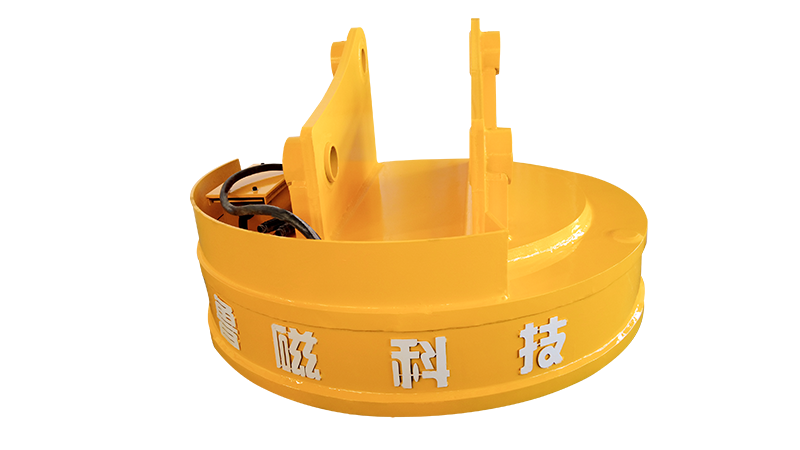
Suction force requirement is one of the basic technical indicators. Suction force directly determines the lifting capacity and application scope. A lifting electromagnet must generate sufficient suction force to safely and reliably hold and transport workpieces. The suction force is affected by design parameters, magnetic material selection, power supply and other factors.
Operational stability is another key requirement. It covers stable holding force as well as control of vibration and displacement during operation. The electromagnet shall maintain stable suction under varying working conditions and adjust output to match different lifting tasks. Vibration and shifting shall be minimized to guarantee load stability and operational safety.
Fast attraction and release performance is also required. Time efficiency matters in lifting operations, so the electromagnet needs quick response for attraction and release to improve overall handling efficiency.
Reliable safety protection functions are essential. Lifting operations carry heavy-load risks, so safety protection devices shall be equipped to halt operation under abnormal conditions and prevent accidents. Overload protection and power failure protection shall be available to ensure safe and reliable operation.
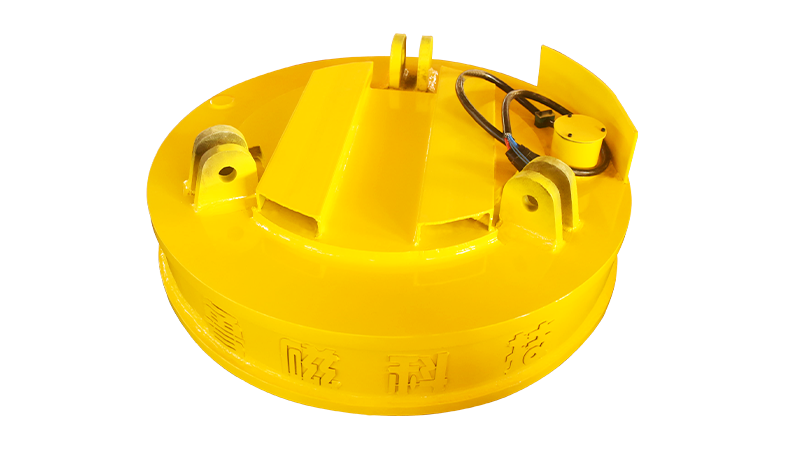
Design and manufacturing shall also take environmental adaptability and easy maintenance into consideration. Lifting electromagnets often operate under diverse conditions such as high temperature, low temperature and humidity. They must adapt to harsh environments and run steadily. Reasonable structural design facilitates inspection and maintenance, supports long-term stable operation and extends service life.


 w.eric@lucimagnet.com