In the field of industrial manufacturing, the circular electromagnetic chuck for grinding machines serves as an important tool. Understanding its working principle is critical for proper operation and maintenance. The electromagnetic chuck adopts the principle of electromagnetic induction. When power is supplied to its internal coil, a magnetic field is generated. Under the effect of this magnetic field, workpieces are firmly secured on the chuck, enabling adsorption, fixation and machining of workpieces.
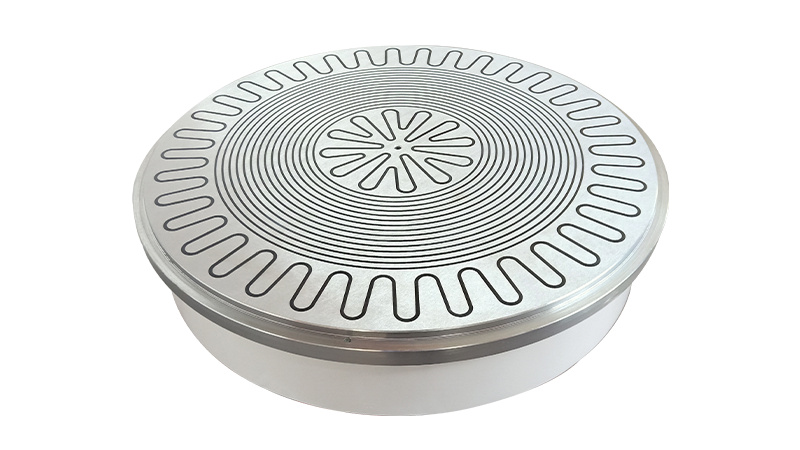
Although the working principle of the electromagnetic chuck seems simple, it involves multidisciplinary knowledge such as electromagnetism and physics. To gain an in-depth understanding of its working principle, we need a clear grasp of the chuck’s structure and magnetic field distribution.
The circular electromagnetic chuck for grinding machines mainly consists of an iron core, coils, a faceplate and a housing. When the coil is energized, electric current flowing through the coil generates a magnetic field. The magnetic field passes through the iron core and faceplate, forming magnetic lines of force on the working surface of the chuck.
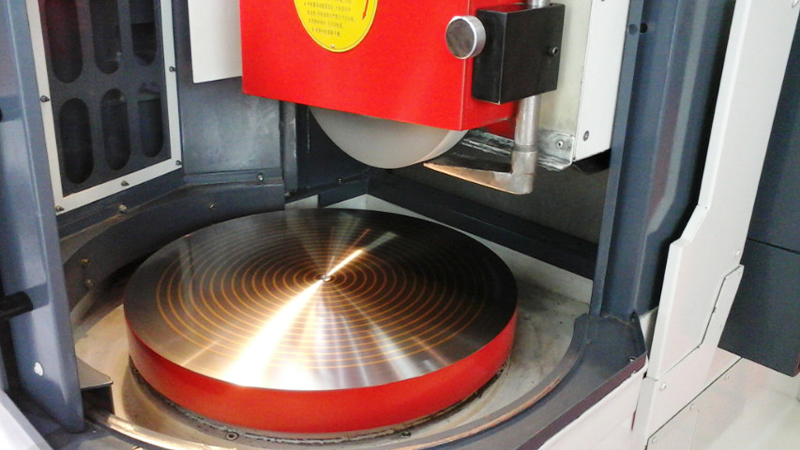
Due to the distribution characteristics of magnetic lines of force, strong magnetic attraction is produced on the working surface of the chuck. To adsorb a workpiece, place it on the working surface of the chuck. The ferromagnetic material inside the workpiece gets magnetized under the magnetic field, creating a strong attractive force with the chuck for firm workpiece holding.
Fixed steadily on the chuck by the magnetic field, the workpiece is ready for grinding and other machining operations. Once machining is finished, cut off the current to the coil, the magnetic field disappears, and the workpiece can be removed easily.


 w.eric@lucimagnet.com