What is the power of an iron remover? This is a common concern for many buyers. Generally, the power of an iron remover varies according to its size and working conditions. Household iron removers usually have a power of around 100 watts, while commercial models feature higher power ratings.
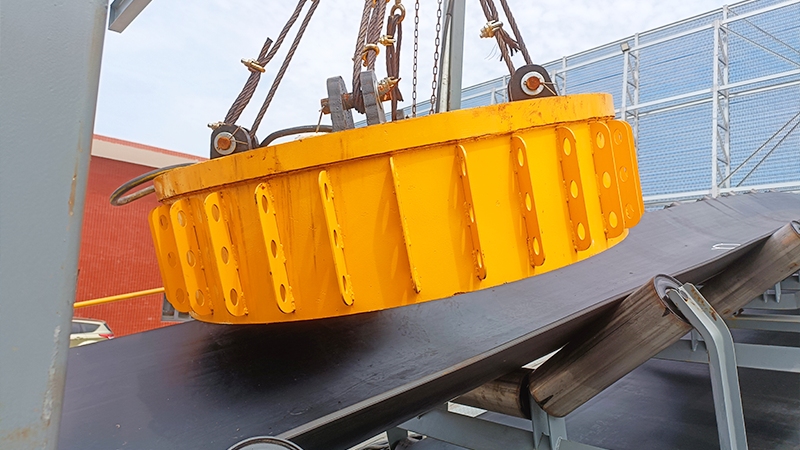
An iron remover is widely used to separate iron and metallic impurities from materials. Its power should be matched to different working scenarios. For example, large iron removers used in steel plants usually have a power above 500 watts. Small processing factories with less material volume and fewer material types can adopt lower-power units.
The power of an iron remover affects both separation performance and energy consumption. Higher-power iron removers generally deliver better iron removal performance yet consume more electricity. Buyers should balance power and energy consumption to select the suitable model.
Other factors also determine the required power, including material type, particle size, material flow rate and iron remover type. The optimal power can only be confirmed after comprehensive evaluation of these factors.
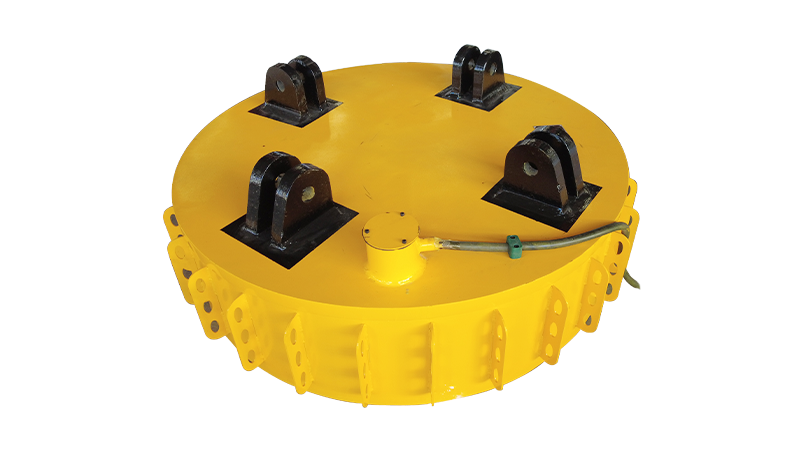
The power rating of an iron remover should be decided based on actual conditions. When purchasing, consider the working environment, material type and flow rate. A properly matched power helps the iron remover achieve excellent iron removal efficiency and ensures long-term stable operation.


 w.eric@lucimagnet.com