An electromagnetic lifting magnet does not release the load immediately after power cut-off. Below is a detailed explanation of its performance upon power failure:
An electromagnetic lifting magnet works based on the law of electromagnetic induction. When the coil is energized, the iron core is magnetized to generate a strong magnetic field, which attracts ferromagnetic materials for lifting or lowering objects. Once the coil is de-energized, the magnetic field of the iron core fades rapidly. Nevertheless, the load will not drop right away due to its own weight and the remanence existing inside the magnet.
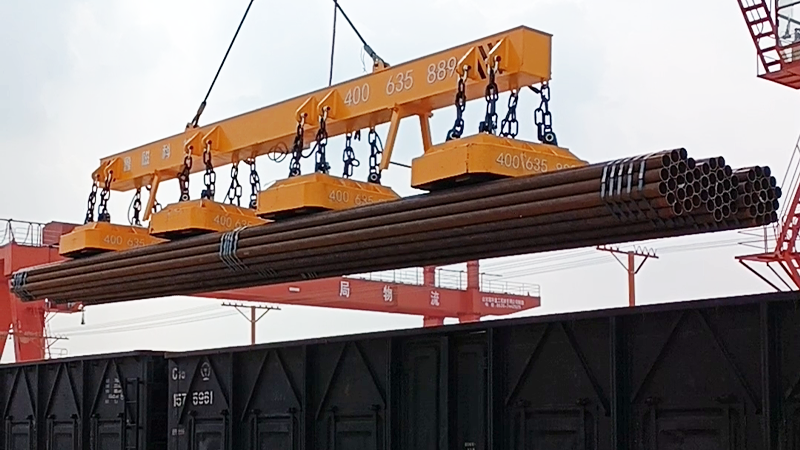
Behaviour after power cut-off
Delayed release: After power loss, the magnetic field decays gradually. The load will fall after a period of time when the magnetic attraction is no longer sufficient to support it. This time interval depends on the magnet design, load weight and the remanence level of the magnet.
Magnetic retention measures: Many electromagnetic lifting magnets are designed with magnetic retention functions to prevent sudden load drop during power interruption. For instance, some units are fitted with backup batteries. When the main power fails, the batteries kick in automatically to supply power and maintain the magnetic attraction on the load.
Safety precautions
Regular maintenance: To guarantee safe and reliable operation, routine inspection and maintenance are required for the coil, iron core, backup battery and other components to verify their integrity and performance.
Operating procedures: Operators must follow standard operating instructions. Prompt emergency actions shall be taken in case of power failure to avoid injuries caused by sudden load falling.
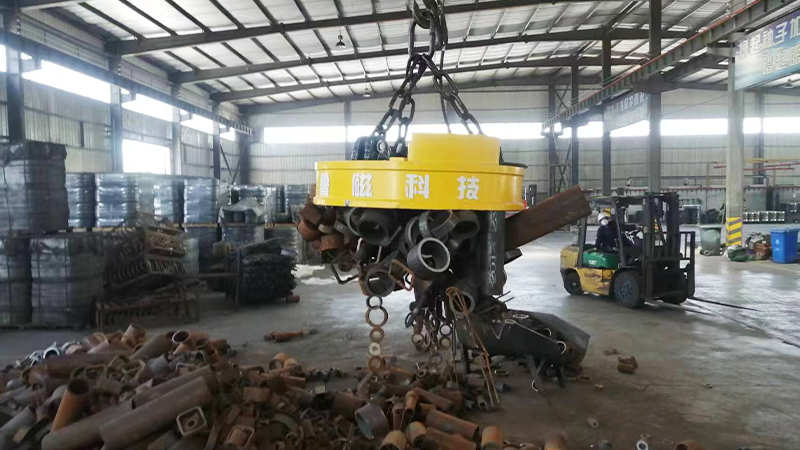
In summary, the electromagnetic lifting magnet will not release the load instantly when power is cut off; instead, it goes through a delayed release phase. Many models are equipped with magnetic retention features for power-failure safety. Operators need to fully understand its working principle and safety requirements to ensure secure and stable operation.


 w.eric@lucimagnet.com