Electromagnetic lifting magnets can be used to hoist heavy mechanical equipment, but the following points should be noted:
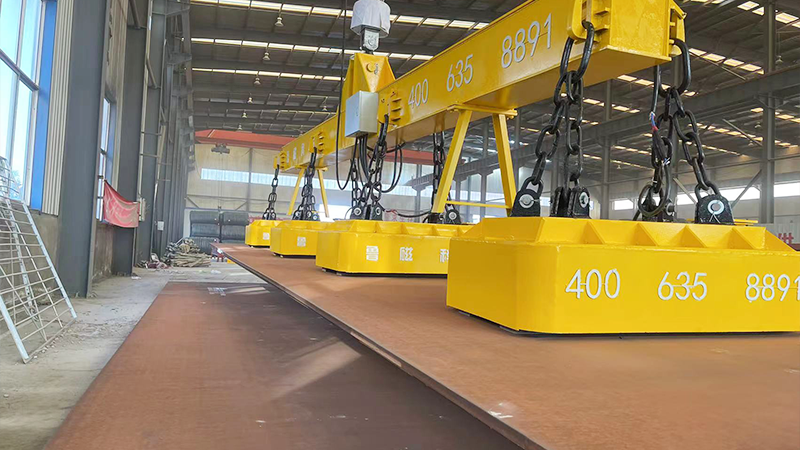
Definition and characteristics of electromagnetic lifting magnets
An electromagnetic lifting magnet is equipment that uses electromagnetic principles to lift ferromagnetic materials such as steel. It operates based on electromagnetic induction, where a magnetic field is generated when current passes through the coil. It features strong magnetic holding force, easy operation, simple structure and convenient maintenance.
Lifting capacity of electromagnetic lifting magnets
The lifting capacity mainly depends on the magnetic field strength and the magnetic property of the load. If the heavy mechanical equipment is ferromagnetic or magnetizable, it can be lifted by an electromagnetic lifting magnet. Nevertheless, its application scope is relatively limited, and it is generally only suitable for metal materials.
Precautions for lifting heavy mechanical equipment
Load capacity: Select an electromagnetic lifting magnet whose rated load capacity meets the weight requirement of the heavy mechanical equipment, which can be confirmed by checking its technical specifications.
Safety: Safety is of paramount importance when hoisting heavy machinery. Comprehensive inspection and maintenance must be carried out before use to keep the magnet in good condition. Operators shall receive professional training and strictly follow operating procedures.
Lifting plan: A detailed lifting plan covering lifting route, hoisting method and safety measures must be formulated to ensure smooth operation and minimize safety risks.
Consideration of other lifting equipment
Although electromagnetic lifting magnets are applicable for heavy machinery, other lifting devices may be more suitable under certain conditions. For instance, general cranes are preferred for non-magnetic loads or workpieces with complex shapes.
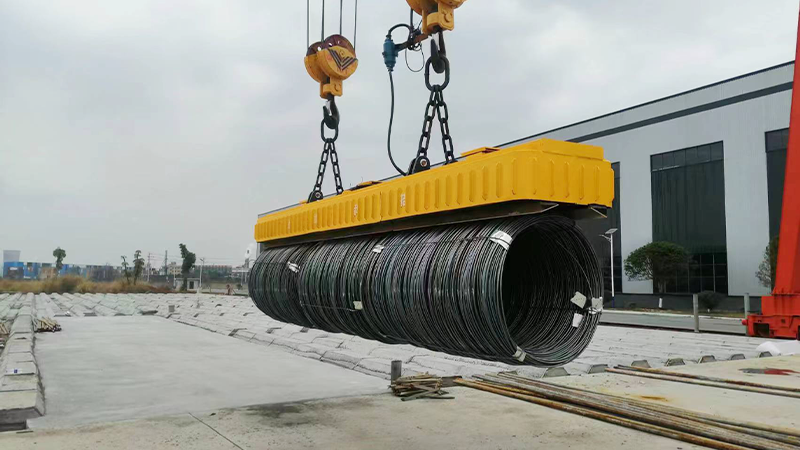
In summary, electromagnetic lifting magnets can be adopted for hoisting heavy mechanical equipment, yet attention must be paid to load capacity, safety and lifting schemes. Meanwhile, the suitability of other lifting equipment should be considered for specific working conditions.


 w.eric@lucimagnet.com