The magnetic holding force of an electromagnetic chuck can usually be adjusted in the following ways:

Current adjustment: The holding force is regulated by changing the input current of the electromagnetic chuck. Generally, increasing the current strengthens the holding force, while reducing the current weakens it. This is commonly achieved by adjusting resistors, potentiometers or other current control components in the control circuit.
Voltage adjustment: Changing the input voltage also affects the holding force. Raising the voltage normally increases the holding force, and lowering the voltage reduces it. A multimeter or similar instrument can be used to measure the input voltage and keep it within the normal range.
Magnetic pole gap adjustment: Some electromagnetic chucks allow force adjustment by changing the gap between magnetic poles. A smaller gap leads to higher flux density and stronger holding force; a larger gap reduces flux density and weakens the holding force. Note that this adjustment must be carried out under the guidance of qualified personnel to ensure safety.
Pulse Width Modulation (PWM): PWM technology controls the power supplied to the electromagnetic chuck. The average voltage and current are adjusted by varying pulse width, so as to regulate the magnetic holding force. This method is widely adopted where precise force control is required.
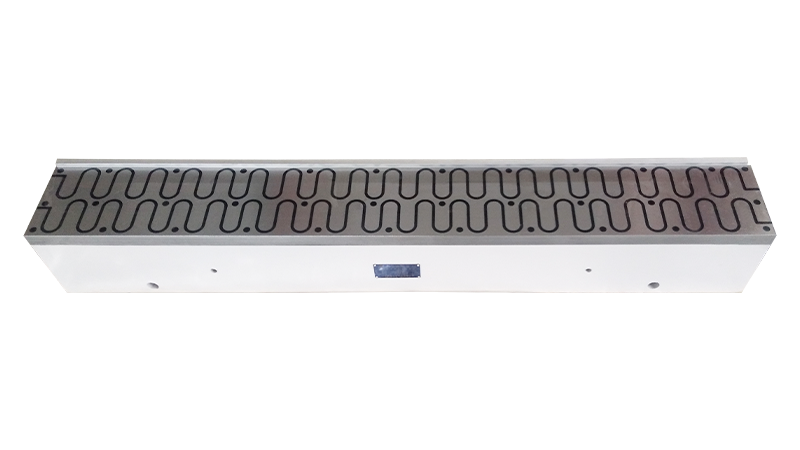
All adjustments to the holding force of the electromagnetic chuck shall be performed safely and in compliance with specifications. Factors including the chuck model, specifications and working environment should be considered to select the proper adjustment method. If you are unsure about the operation, consult the manufacturer or professional service technicians.


 w.eric@lucimagnet.com