Demagnetizers cannot eliminate magnetism on non-magnetic materials. A demagnetizer works by generating a magnetic field opposite to the original magnetic field of an object to gradually offset and remove its magnetism. It adopts electromagnetic induction or high-frequency alternating electric field technology to force the magnetic domains inside the object to rearrange and disrupt the original magnetic structure. Nevertheless, non-magnetic materials respond very weakly to magnetic fields. They do not have the magnetic domain structure found in ferromagnetic materials that can be rearranged, so demagnetizers cannot produce a demagnetizing effect on non-magnetic materials.
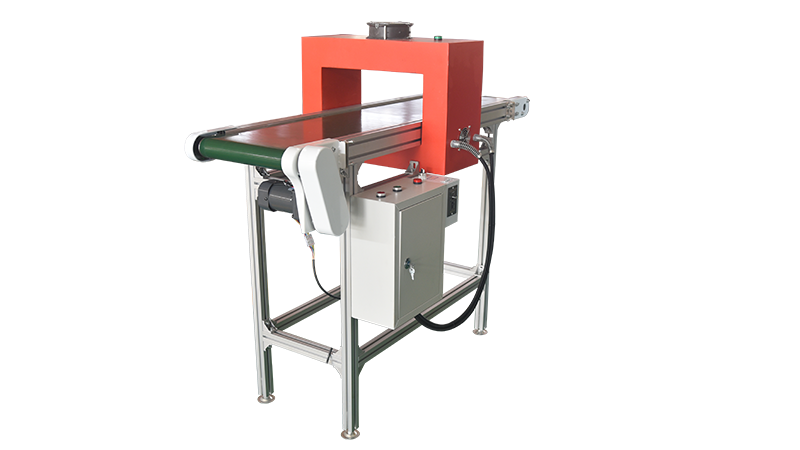
Specifically, ferromagnetic materials such as iron, iron alloys and steel respond strongly to magnetic fields, and demagnetizers can quickly and effectively remove residual magnetism inside them. Stainless steel is an alloy with low iron content and relatively weak magnetism. Demagnetizers can still achieve a certain demagnetizing effect on stainless steel, though the result is less obvious compared with typical ferromagnetic materials. For non-ferromagnetic materials including copper, aluminum, nickel and titanium, their response to magnetic fields is extremely weak, and the demagnetizing effect of demagnetizers is nearly zero.
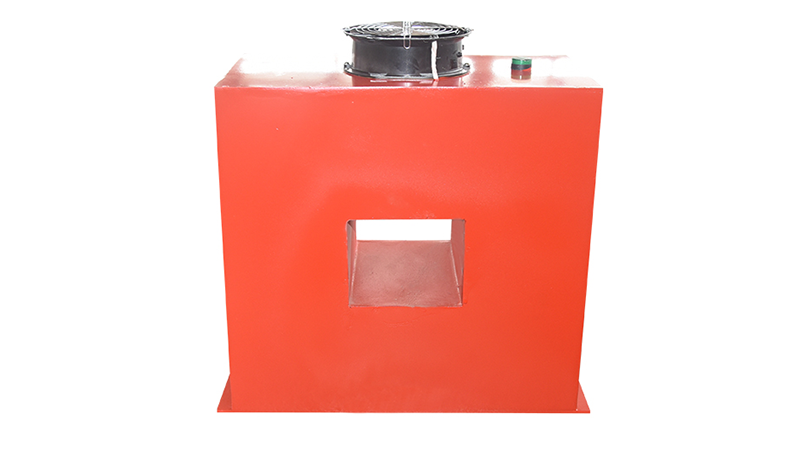
In conclusion, demagnetizers are mainly used to remove residual magnetism from magnetic materials and have no effect on non-magnetic materials. In practical applications, suitable demagnetizing methods and equipment shall be selected according to the magnetism of workpieces and demagnetizing requirements.


 w.eric@lucimagnet.com