Lifting electromagnet is a lifting device that uses electromagnetic attraction. It is mainly composed of an iron core, coils, positioning plates and other components. When electric current is supplied to the coils, a magnetic field is generated on the iron core, so that the workpiece can be attracted to realize lifting, moving or hanging.
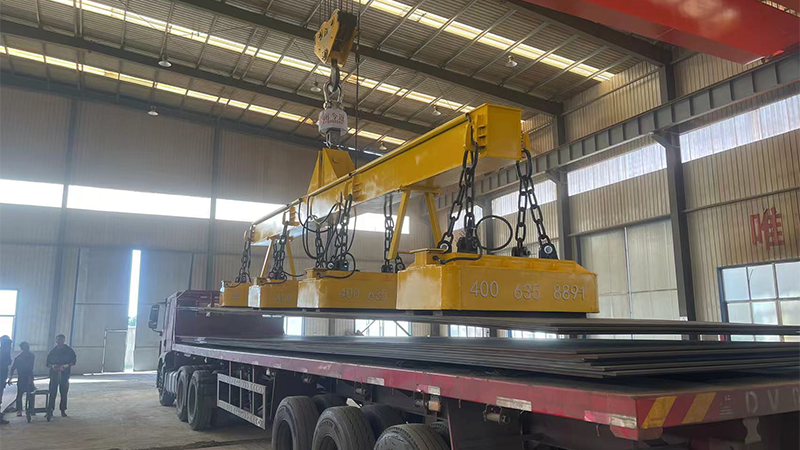
What kind of electricity does a lifting electromagnet use? Generally, lifting electromagnets adopt direct current (DC), because direct current can maintain a relatively stable magnetic field to ensure normal operation. The rated voltage of ordinary lifting electromagnets is generally between 12V and 220V, with corresponding current ranges. Taking 12V as an example, the power supply delivers current to the coils to generate a magnetic field on the iron core. When the power supply voltage is 220V, the corresponding current will increase accordingly.
Meanwhile, due to the special characteristics of lifting electromagnets, the direction of current needs to be changed during operation to realize attraction and release. Therefore, lifting electromagnets are equipped with reversible DC power supplies. The current direction is switched repeatedly during attraction and release, changing the direction of electromagnetic force to pick up or release materials.
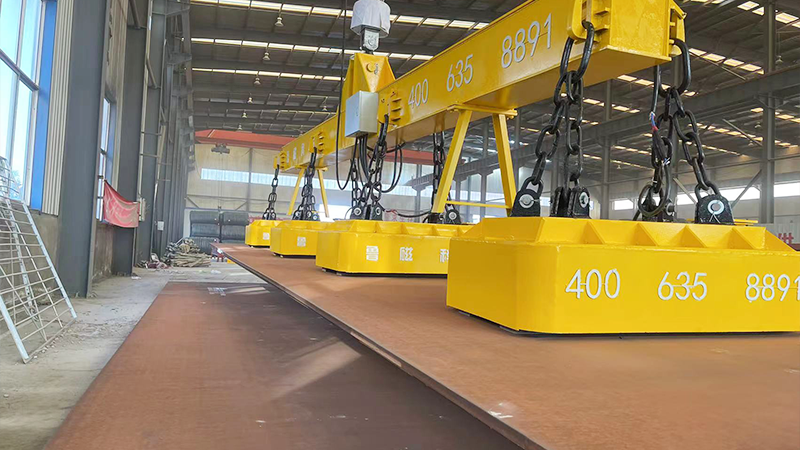
It should be noted that lifting electromagnets work with large current and high voltage. Improper operation or circuit short-circuit may lead to electric arcing, fire and other serious hazards. During operation, safety precautions must be taken to avoid circuit short-circuit, overvoltage and other faults.
In summary, lifting electromagnets run on direct current. The current direction is switched for attraction and release. Operators shall keep the current and voltage within the rated range and prevent circuit short circuits.


 w.eric@lucimagnet.com