Demagnetizers are being widely adopted in numerous industrial production and scientific research fields. Nevertheless, confronted with a wide variety of demagnetizer products on the market, many users struggle to select a suitable model matching their requirements. Multiple factors should be comprehensively considered for proper selection, including the characteristics of workpieces to be demagnetized, working environment, demagnetization standards and budget.
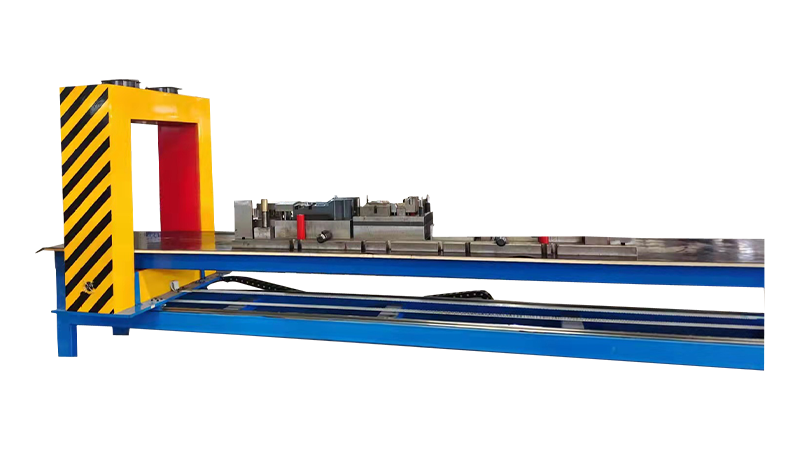
First, clarify the properties of the objects to be demagnetized, such as material type, size, shape and magnetic strength. Different magnetic materials require different magnetic fields from demagnetizers. For instance, demagnetization difficulty varies between soft magnetic materials and hard magnetic materials. Meanwhile, the size and shape of workpieces affect demagnetizer selection. Larger or intricately shaped objects may require higher-power demagnetizers with special designs.
Second, it is vital to take the working environment into account. If the operating site features high temperature, high humidity or corrosive substances, a demagnetizer adaptable to such harsh conditions shall be chosen.
Third, make the selection according to demagnetization requirements. Extremely strict demagnetization standards demanding ultra-low residual magnetism call for high-performance, high-precision demagnetizers. For scenarios with relatively low demagnetization requirements, cost-effective models are acceptable.
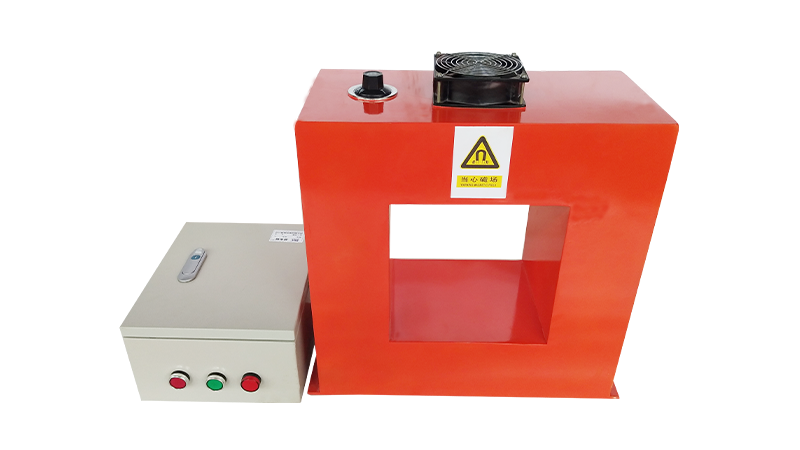
Finally, budget cannot be overlooked. On the premise of meeting demagnetization needs, pick the proper demagnetizer based on financial capacity to avoid overinvestment or cost-cutting that fails practical demands.
In conclusion, selecting a suitable demagnetizer requires comprehensive trade-off of various factors and careful evaluation of your own demands and conditions to make a wise decision.


 w.eric@lucimagnet.com