A demagnetizer is a common industrial device mainly used to remove magnetism from ferromagnetic materials. Its working principle is based on the hysteresis effect (also known as residual magnetism effect) of magnetic materials. When a magnetic material is exposed to a magnetic field, the atoms and molecules inside it align to form a strong magnetic field. Even after the external magnetic field disappears, these atoms and molecules remain aligned, so the material retains magnetism.
To eliminate this hysteresis effect, the demagnetizer generates a high-frequency alternating magnetic field covering the surface of the material. This magnetic field continuously forces the internal atoms and molecules of the material to rearrange, disrupting the original magnetic field. As the magnetic field gradually weakens, the magnetism in the material fades away.
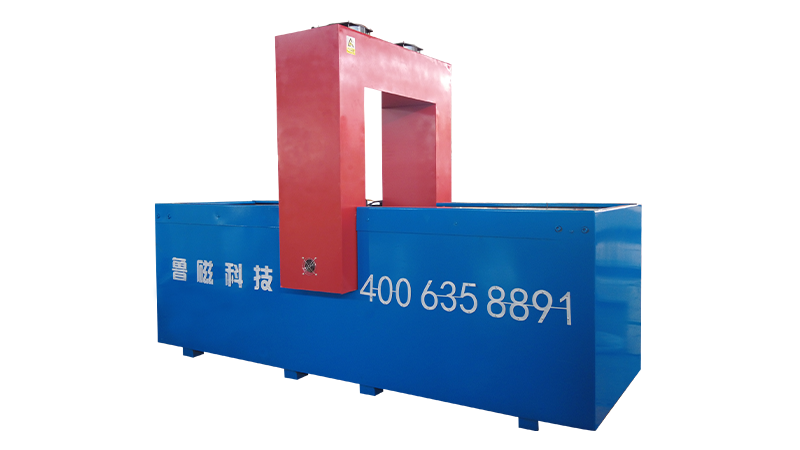
The demagnetizer offers many advantages:
Effective demagnetization: It can thoroughly remove magnetism from materials and avoid unwanted magnetic interference during operation. This is critical for the normal operation of high-precision equipment such as aerospace and medical devices.
High efficiency and reliability: The demagnetizer can complete mass demagnetization tasks in a short time. Its high efficiency and reliability guarantee smooth production and maintenance.
Easy operation: Simple to operate and convenient to control, it is compatible with materials of various types and shapes for wide application in diverse industrial environments.
Improved quality and service life: By eliminating magnetic interference, the demagnetizer upgrades material quality and extends service life.
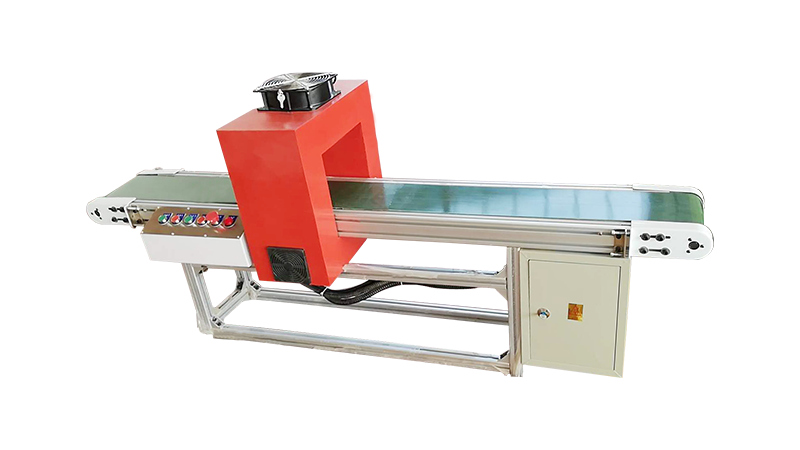
In summary, demagnetizers play an important role in industrial production and scientific research. They effectively eliminate magnetic interference, ensure stable equipment operation, and improve material quality and service life. With continuous technological advancement, the performance and application scope of demagnetizers will be further expanded in the future.


 w.eric@lucimagnet.com