The load capacity of an electromagnetic chuck is mainly affected by the following factors:
Size and material: The diameter of the electromagnetic chuck and the magnet material used are directly related to the magnetic field strength it generates, thus determining its load capacity. An electromagnetic chuck with a larger diameter and superior material features higher load capacity.
Current intensity: As the electromagnetic chuck generates a magnetic field by means of electric current passing through its coils, the current intensity also affects the magnitude of magnetic force. Properly increasing the current can raise the chuck’s adsorption force. However, care must be taken not to exceed the maximum current limit of the electromagnetic chuck to avoid equipment damage caused by overheating.
Contact surface condition: The flatness, cleanliness and material of the workpiece surface will influence the actual load capacity of the electromagnetic chuck. Workpieces with smooth surfaces and good contact can be adsorbed more stably.
Working environment: Factors such as ambient temperature and humidity may affect the performance of the electromagnetic chuck. High temperature may heat up the chuck and reduce magnetic force; excessive humidity may corrode electrical components and shorten service life as well as impair load capacity.
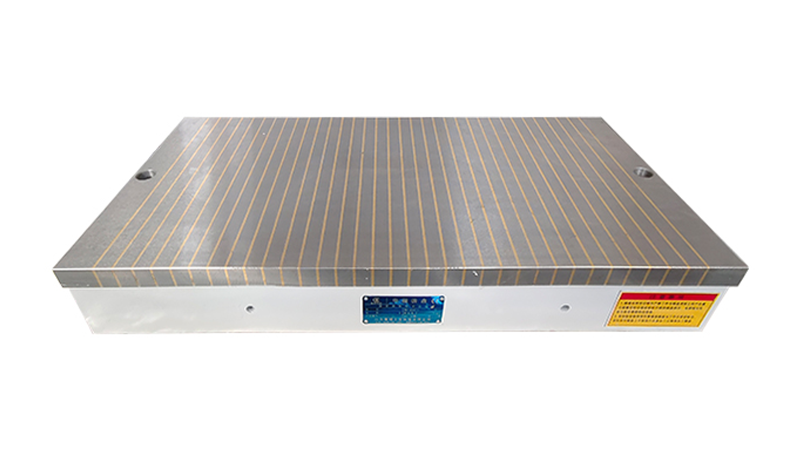
Large industrial electromagnetic chucks can be used for hoisting heavy steel plates, molds and other items, with load capacity up to tens of tons. When selecting and using an electromagnetic chuck, users shall choose the appropriate model according to practical demands for safety and efficiency, and abide by the working parameters and operating conditions provided by the manufacturer to operate within the safe load range. In addition, for special working conditions and requirements, you may contact the manufacturer for solutions and obtain more accurate load data.


 w.eric@lucimagnet.com